For mothers like Nisreen Al‑Jwaihan, daily life in Hebron’s H2 area has become a maze of military checkpoints and curfews. In this enclave of the West Bank, more than twenty Israeli checkpoints regulate Palestinian movement. Sometimes these gates open for just one hour in the morning and one in the evening; at other times, residents are forbidden to leave their homes for days. H2 is one of the most restricted areas in the West Bank, and it is here that Nisreen, a mother of six, is trying to protect her children and keep her small business alive.
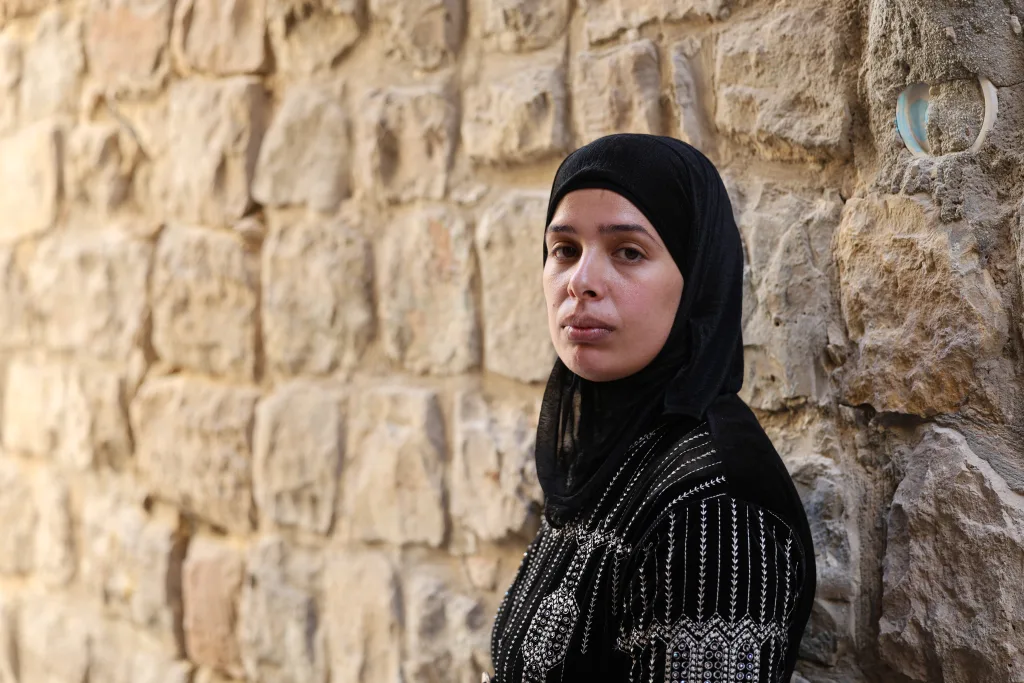
“Movement is extremely difficult. We barely dare to leave our homes. The ability to move freely and access basic services is not a luxury.”
Nisreen grew up dreaming of opening her own beauty salon. For years, she welcomed women from across Hebron into her home, often working late into the night. The income she earned helped her support her husband and children. But since the war in Gaza and the resulting clamp‑down across the West Bank, even her neighbors struggle to reach her door. Sudden roadblocks appear without warning. Soldiers open every bag and carton as if a pair of scissors were a weapon. Now she says she receives “not even one percent” of the clients she once had.
On good days, the checkpoints merely slow life down. On bad days, they shatter it. Nisreen still shakes when she remembers the afternoon soldiers stopped her nine‑year‑old daughter at a checkpoint. Other children ran to fetch her as the soldier detained her daughter, rummaged through her backpack, and shouted insults. When Nisreen arrived, she found her little girl trembling and sobbing, convinced she was about to be beaten. The scene: a soldier yelling at a child, a mother powerless to protect her – is far too common in Hebron. According to humanitarian groups, even pregnant women are forced to pass repeatedly through X‑ray machines and denied access to medical care. Residents are sometimes unable to leave their homes for days and must walk up hills to reach checkpoints that may or may not let them through.
“My daughter’s whole body was shaking. She screamed that she had done nothing wrong. She is only nine years old! What terrible crime could she have committed?”
The trauma of that day lingered. Nisreen’s daughter began having nightmares and panic attacks. Nisreen, worried about the long‑term impact on her children, sought a therapist and a child psychologist. She describes how she always keeps her phone in her hand, ready to rush to a checkpoint if her children are stopped or harassed.
“We live in constant stress for the safety of our loved ones.”
Like many women in H2, Nisreen has become both breadwinner and protector. Men often leave the area in search of work, leaving women to face soldiers who enter houses and interrogate families. Even something as simple as buying a gas cylinder for cooking requires security clearance. She shared:
“Whether we can cook our own food depends on whether a soldier allows it.”
Amid this daily pressure, Nisreen’s beauty business is her lifeline – not just financially, but emotionally. Despite the closures and humiliation at checkpoints, she refuses to give up. She said:
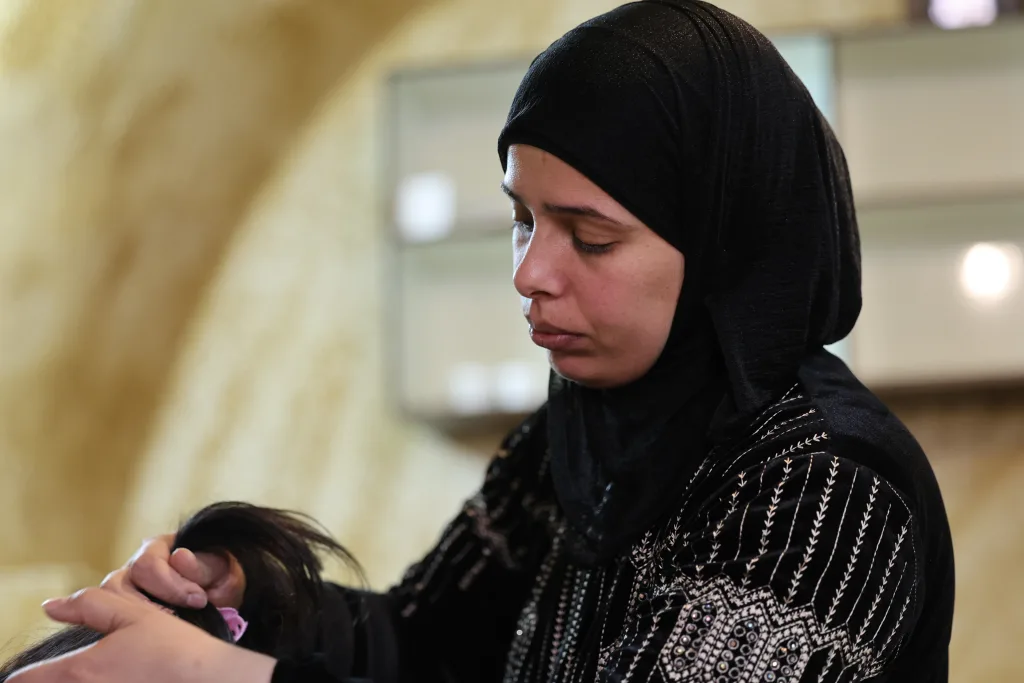
“Working in beauty has been my dream since childhood. To watch that dream shatter feels like punishment for daring to hope. I will not give up on my dream. Despite the hardships I face… I will continue! I will fight for my dream.”
Standing with Nisreen
ActionAid’s support has been a turning point in Nisreen’s journey. Through training sessions, emotional encouragement, and financial assistance to restock supplies, ActionAid helped her reopen her salon when she was on the verge of shutting it down.
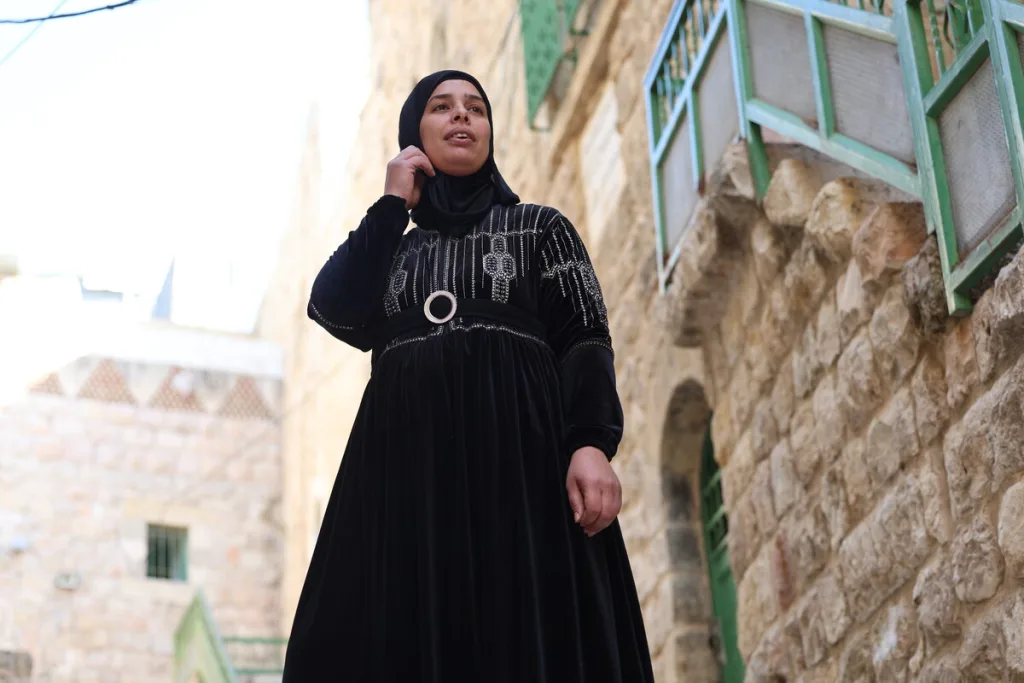
Equally important, Nisreen says, was being reminded that she is more than her job title – she is a woman with skills, dignity, and a future. She said of ActionAid:
“Two words that changed my world. They didn’t just give supplies and leave. They stayed in contact, offered courses that improved our knowledge, and believed in my abilities.”
Today, Nisreen still navigates checkpoints and curfews just to keep her business afloat. But she does so with renewed confidence. Her story echoes across Hebron: women carrying the heaviest burdens, children growing up under occupation, families trying to hold on to their roots even as restrictions tighten. As international observers note, the H2 area has long been subject to unpredictable closures and violence. Residents face not only physical barriers but also the psychological toll of ongoing trauma. Yet there is resilience in Hebron. Like Faten in Gaza, Nisreen refuses to surrender her dream or her identity. She remains in the home her grandfather built brick by brick, determined to keep her family safe and her community vibrant.
How you can help
Nisreen’s fight is one of many unfolding in Palestine. In H2, families continue to endure curfews, raids, and deprivation. Women like Nisreen are the backbone of their communities, holding families together under impossible conditions. ActionAid works alongside them, offering practical support and amplifying their voices. But as restrictions intensify, the need for solidarity grows. Your support can help women like Nisreen restock supplies, access training, and provide safe spaces for their children. Stand with them today and show that their dreams are not forgotten.