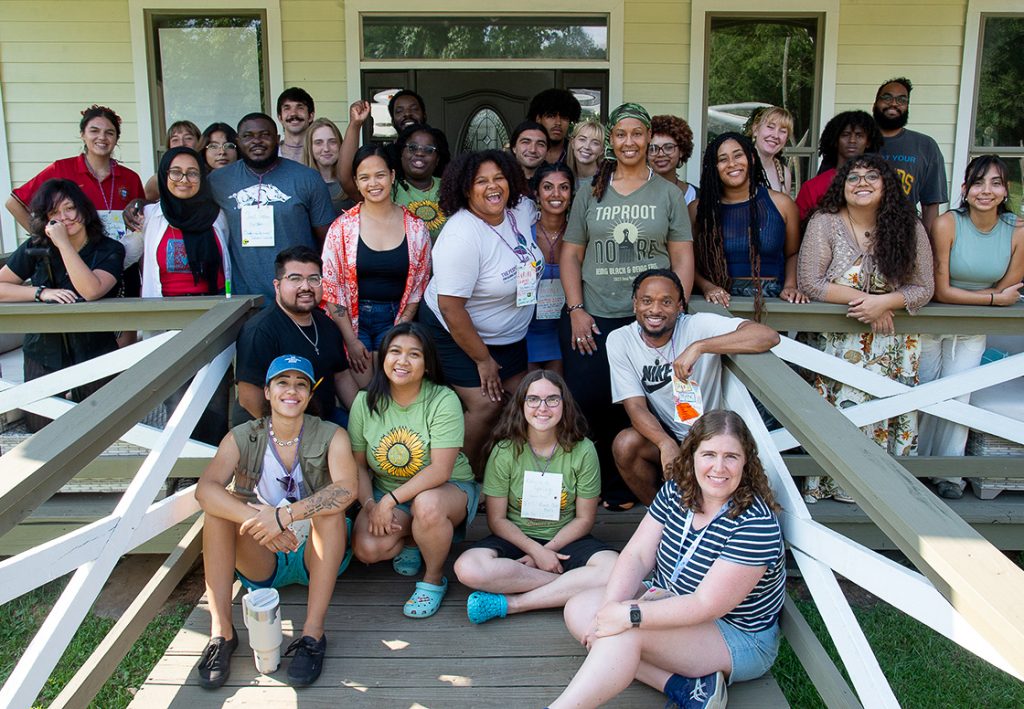
In early August 2025, just weeks before the 20th anniversary of Hurricane Katrina, 25 young activists and community leaders gathered with ActionAid USA and our partners just outside New Orleans for our second Youth Climate Reparations Camp (CRC). For four intense days, they built skills, built power, and built a shared vision: a United States that finally does its fair share of climate action, including by paying its climate debt to developing countries, and a world where frontline communities, from Louisiana to Lagos, can live with dignity.
Why we gathered
The United States owes a massive climate debt to the Global South. Communities least responsible for the crisis are paying the highest price. Yet there’s not enough of a grassroots demand for the U.S. to do its fair share globally, and the U.S. climate movement is heavily domestically focused without much of an internationalist awareness or orientation. CRC is one way we’re changing that, by training organizers who connect local fights against environmental and climate injustice to the global systems that create those injustices and perpetuate them against marginalized communities in the U.S. and around the world.
Attendees at the 2025 Climate Reparations Camp. Photos: Brandon Wu/ActionAid.
Who we gathered
Through our organizational and personal connections, we recruited an incredible cohort of 25 young people (U.S. residents, ages 18+ and heavily weighted towards participants in their early to mid-20s) from a huge diversity of backgrounds in terms of race, ethnicity, socioeconomic status, gender identity and more. Almost all participants were already deeply engaged in local community organizing or climate justice work. The cohort intentionally included a large percentage of participants from immigrant and diaspora backgrounds, with the idea that these are communities that already have the kind of internationalist awareness and orientation that we want to be building on.
What we built in four days
With our friends at Justice Is Global, Youth ‘N’ Power, and the National Partnership for New Americans’ Climate Justice Collaborative, we ran a hands-on curriculum that put justice at the center:
- International climate justice and fair shares: We highlighted the U.S.’s outsized responsibility and what real action looks like.
- Climate finance as reparations: We talked plainly about debt, climate-induced loss and damage, and what reparations must mean for communities.
- Migration and displacement: We linked storms, droughts, and other climate impacts to forced migration and to the human rights of people who have been displaced.
- Reparations frameworks: We centered histories of occupation, slavery, genocide, and land theft and the futures we can win, including centering the fact that reparations include, but go well beyond, monetary compensation.
- Storytelling for power: We identified the communities we want to move and practiced narratives that help us connect global issues and solidarity with frontline communities around the world to the everyday concerns of those communities.
- Planning for action: We brainstormed how campers could bring their experiences home and connect with each other after the camp in concrete ways for collective action towards global climate reparations.
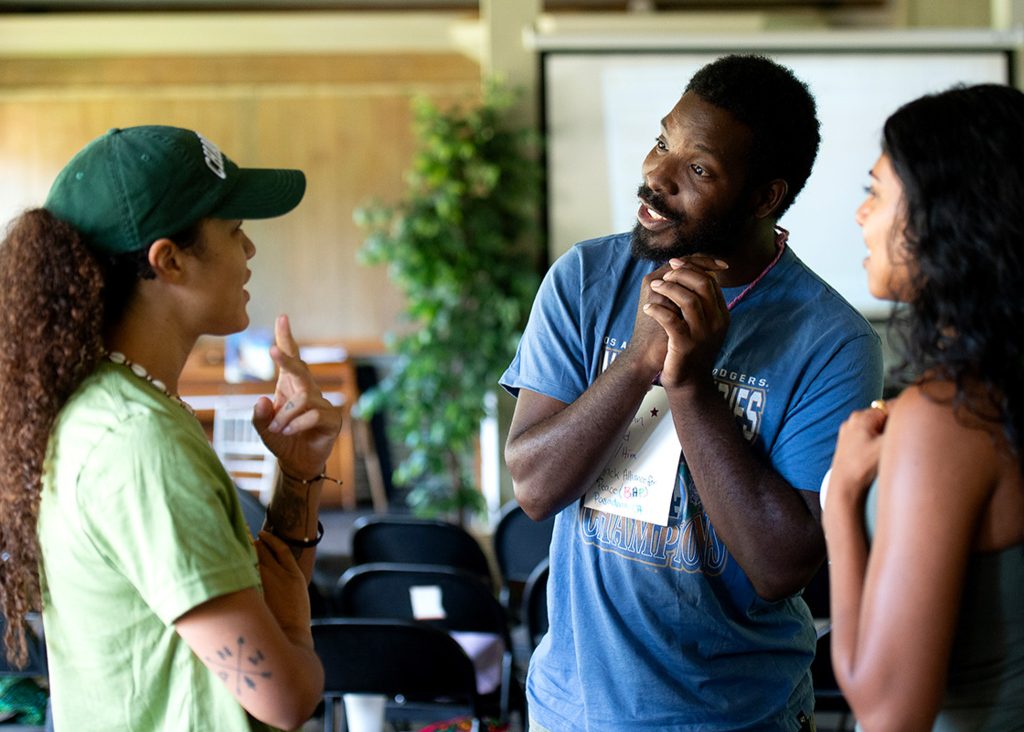
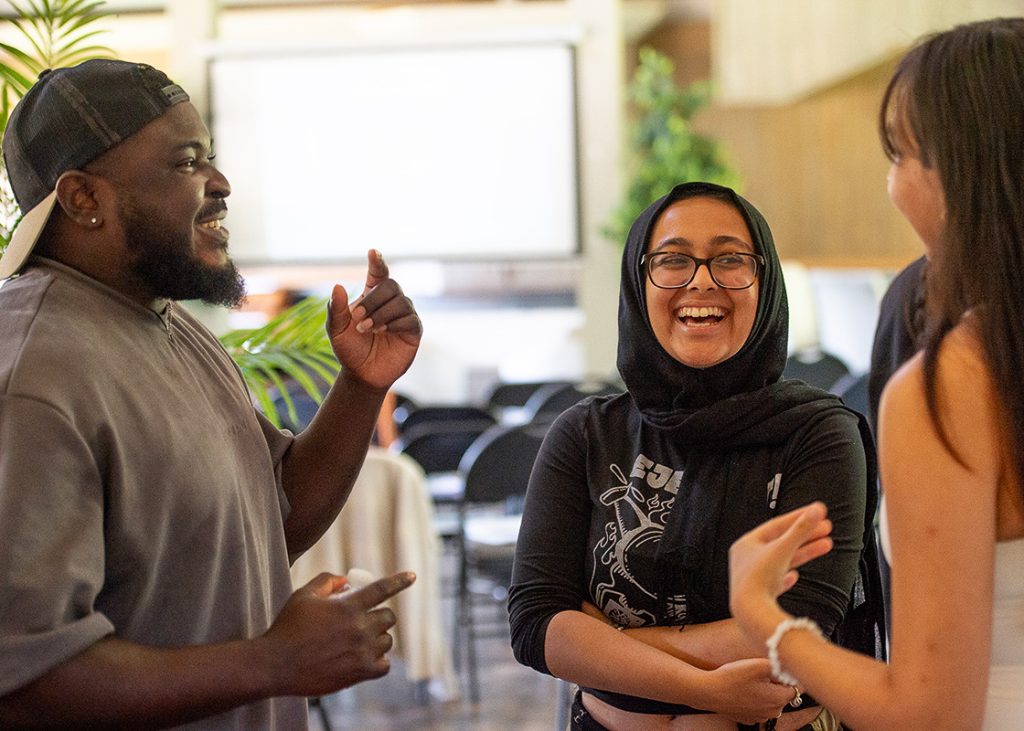
Attendees connected and talked about their visions for the world. Photo: Brandon Wu/ActionAid
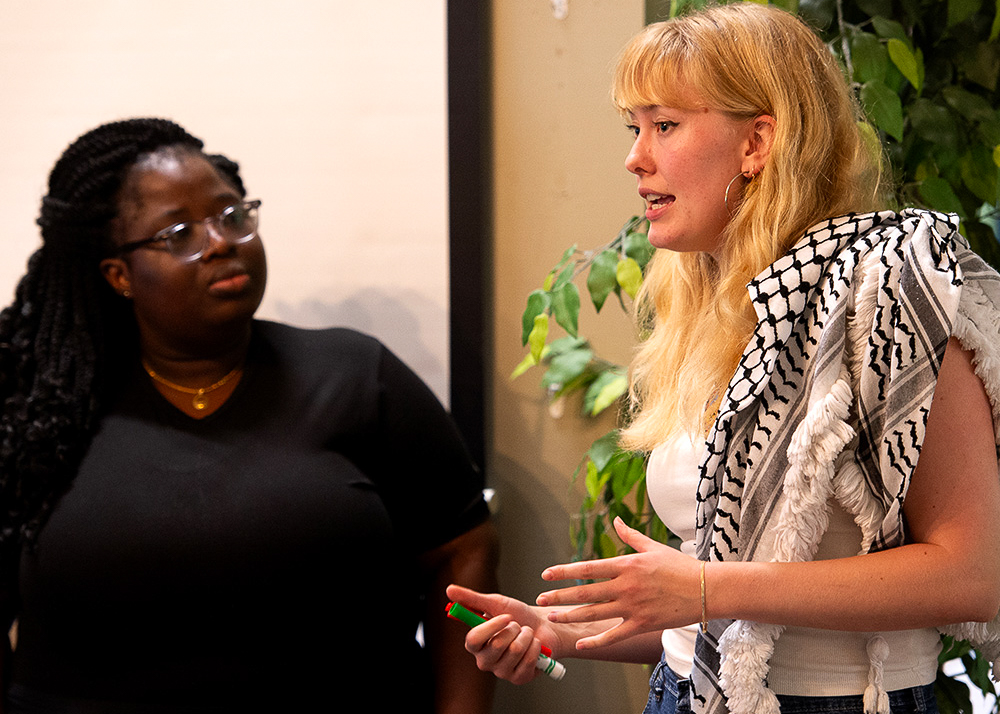
Participants envisioned a just, sustainable future together. Photo: Brandon Wu/ActionAid
Grounded in the Gulf South
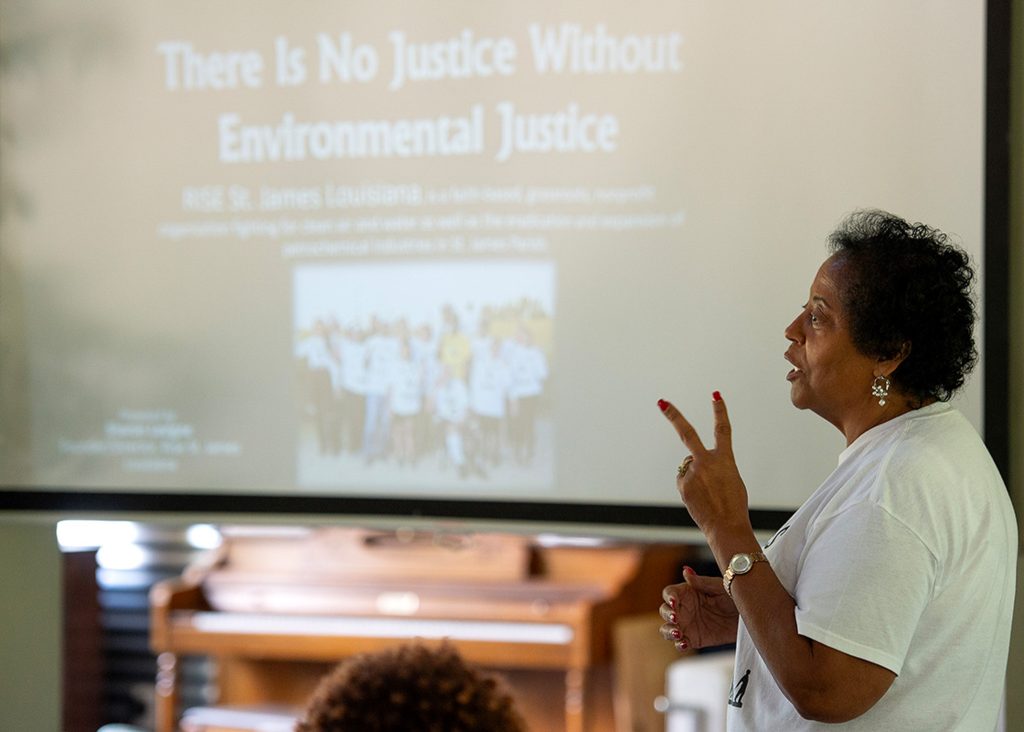
Leaders from our local partners, Taproot Earth and Rise St. James, grounded the camp in the lived reality of the Gulf South – where climate impacts, fossil fuel extraction, and resistance all run deep. We were learning in a place that still bears the scars from the racial and class injustices laid bare by the disproportionate impacts and responses to Hurricane Katrina 20 years ago. This made the work urgent and real, as participants connected the dots between Cancer Alley and colonial supply chains, between parish council meetings and U.N. climate talks.
The energy we felt
The fact is, we are in a hard political moment where it’s hard to find joy and resolve. Amid rising fascism, state repression, and anti-immigrant politics in the U.S., CRC offered space to breathe, grieve, laugh, and organize. Participants held one another’s stories with care and then got to work mapping the wins they’ll chase next.
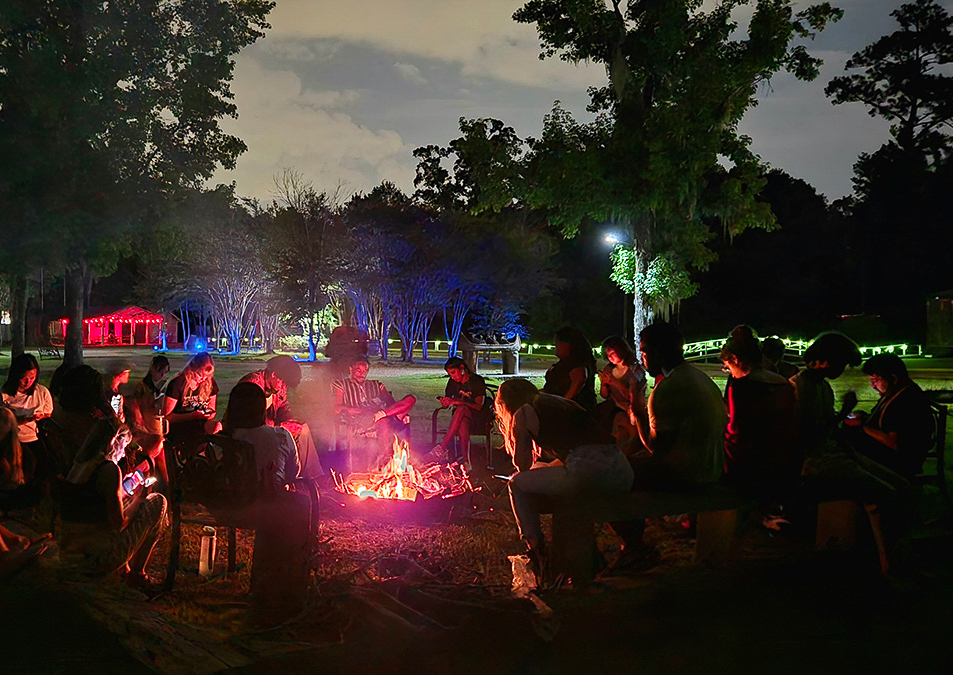
What happens next
Camp doesn’t end at camp. Graduates are already plugging their skills into current and upcoming events, including but not limited to:
- Katrina+20 Week of Action. Honoring memory with movement.
- New York Climate Week. Taking local lessons to a national stage.
- COP30 in Brazil later this year. Carrying U.S. grassroots demands into global negotiations.
Each participant will bring CRC tools back home into immigrant justice groups, youth organizations, queer and trans collectives, mutual aid networks, and neighborhood councils, where they will link local fights to a global reparations agenda. We plan to regularly re-convene camp participants to solidify relationships, provide updates on relevant political and policy developments, and plan collective actions.
We are currently fundraising to support a more robust follow-up engagement plan that could include a round of virtual trainings, another in-person convening with a deeper dive on key topics, or making direct connections with international allies and movements, especially from the Global South.
By the numbers
- 25 youth leaders (ages 18+) from across the U.S., many from directly affected, immigrant, and diaspora communities
- 4 days of training, rest, strategy, and solidarity
- 2 Gulf South partners anchoring the learning in place
- 3 major mobilization moments to carry the work forward this year
- 100% costs covered for participants, including travel, lodging, meals, and follow-up support
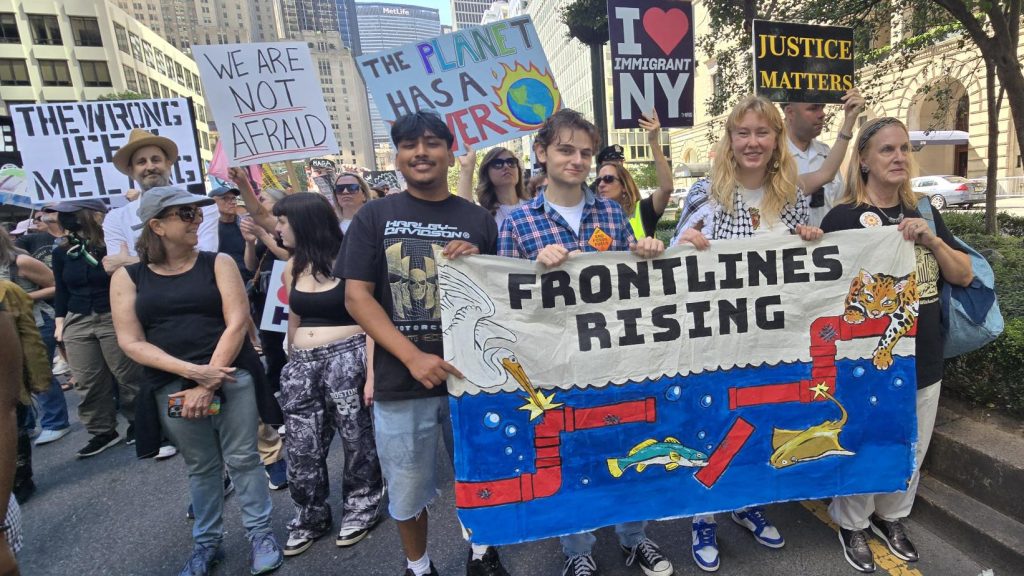
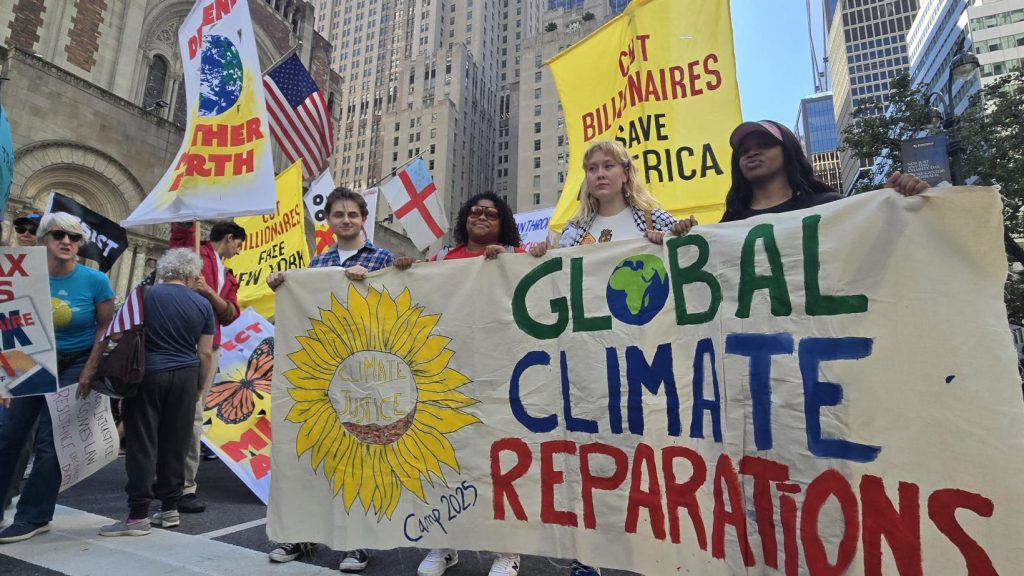
This is just the beginning
We’re proud that ActionAid USA led CRC with such powerful partners, and we’re not stopping. CRC will be an annual space that grows a network of organizers pushing the U.S. to do its fair share and pay its climate debt.
Want in? Help us bring the next cohort to camp. Because the future we deserve won’t fund itself, and these young leaders are already building it.