The second International Conference on Agrarian Reform and Rural Development (ICARRD+20) takes place from February 24-28 in Cartagena, Colombia.
Today, just 1% of farms control 70% of the world’s farmland. Meanwhile, 84% of the world’s farms are under 5 acres in size, and together they control only 12% of the world’s farmland. That matters because smaller farms often produce more food per acre than large farms and supply the key ingredients needed for local communities and economies to thrive. As large farms keep buying up land, they threaten global food security and the well-being of many communities worldwide.
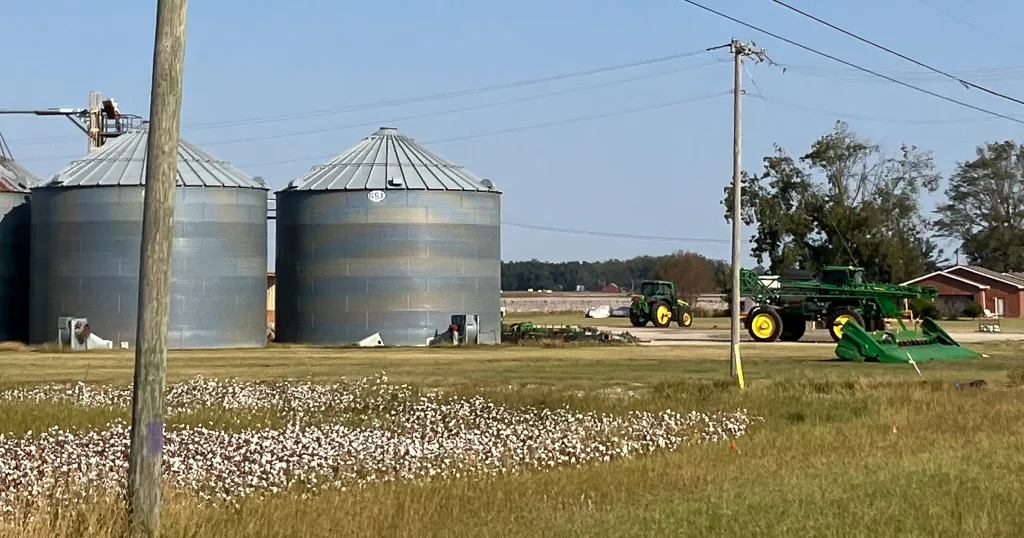
It is estimated that about 70% of people worldwide get most of their food through peasant food webs – local networks of small-scale farmers, fishers, and food producers – rather than from agribusinesses that control most of the land. Having secure access to land and the water connected to it matters. It gives people food and the basis of a local economy, along with a place to live and build community. Land provides access to nature and is a source of collective identity and meaning that sustains people physically, emotionally, and spiritually.
Control of land by the few has been a perennial cause of conflict. Indigenous peoples and peasant communities have a long history of fighting to keep the land that they live on, the land that sustains them, while powerful actors have fought to seize control of that same land to increase their wealth and power.
It is against this backdrop that theICARRD+20 has been organized. This conference is being held in response to calls from La Via Campesina, the International Indian Treaty Council, the World Forum of Fisher Peoples, and other organizations that form the International Planning Committee on Food Sovereignty(IPC). The aim is to renew efforts against growing inequality and dispossession. The global response has been promising, with participants expected from over 100 countries, dozens of governments, international institutions, universities, land rights organizations, and hundreds of delegates representing Indigenous peoples, peasant movements, and civil society.
Colombia’s role as host of ICARRD+20 is symbolically important. The country is named after Columbus, which highlights that today’s land-rights struggles are also about undoing the harms of old and new forms of colonialism. The year 1992, the 500th anniversary of the European invasion of the Americas, was a key moment in the struggle of indigenous peoples that helped build the current global alliances between indigenous peoples and peasants. In 1993, La Via Campesina was formed to unite peasant and family farmer groups and push back against neoliberal economic policies and the World Bank’s “market-led” agrarian reform, which weakened community land tenure and undermined the efforts of some governments to redistribute land to those who work it.
In 1997, Indigenous peoples, peasant groups, and food producer organizations, who have long fought for their land, organized the International Planning Committee for Food Sovereignty (IPC). These movements helped set the stage for the first ICARRD conference of 96 governments in Porto Alegre, Brazil, in 2006. The first ICARRD led to the inclusion of civil society as meaningful participants in the UN Committee on World Food Security (CFS) in 2009 at the height of the global food price crisis, which gave rise to large-scale land-grabbing schemes by agribusiness corporations, sovereign wealth funds, and other asset managers. The first major policy products resulting from the reformed CFS pushed back against land-grabbing schemes, namely the Right to Food Guidelines and the Tenure Guidelines (VGGTs) for land, fisheries, and forests.
The largest land-grabbing schemes collapsed under pressure from social movements, and the VGGTs were endorsed by 144 countries, some of which incorporated them into national land policies that support rural communities and indigenous peoples. However, land grabbing has continued by stealthier means, as local and national elites and international investors continue to accumulate control over land, worsening inequalities. Schemes to control land-based carbon credits have led to the return of large-scale land grabbing. It is in this context that theIPC is calling for the ICARRD+20 to generate new momentum to address these problems.
In October 2024, the CFS endorsed Colombia’s proposal to host ICARRD+20. The Colombian government has promised that the conference will discuss “the challenges and opportunities of agrarian reforms in the 21st century; new forms of land grabbing and dispossession of land and natural resources, within the context of the attacks on sovereignty evident in the current geopolitical landscape. Likewise, the relationship between land, food production, water, and the global climate crisis will be addressed in order to improve the living conditions of communities.”
IPC organizations have welcomed ICARRD+20, stating that the conference provides:
“An urgently needed multilateral space to assess progress in responsible governance of land, fisheries, and forests, and to coordinate effective public policies to address pressing issues related to land and other natural resources, including: land and resource grabbing; increasing land concentration; climate change, land degradation, and biodiversity loss; violence against land rights defenders; discrimination against women and girls; and conflict, occupation and war.”
ActionAid USA will join the IPC delegation to ICARRD+20 as part of the US Food Sovereignty Alliance, alongside the National Family Farm Coalition and the Food Chain Workers’ Alliance. Other delegates from the United States will represent indigenous peoples, family farmers, and faith-based organizations. We will be bringing the message that redistributive land reform is not just for the Global South. The expansion of extremely large-scale agriculture has deepened rural poverty, destroyed livelihoods, and denied young people and farmworkers opportunities to farm, all while denying black communities and Indigenous Peoples opportunities to recover land that was taken from them.
Our goal for ICARRD+20 is for governments to work with indigenous peoples and civil society to address land access inequality within their own countries. We believe that governments and delegates attending the conference can collectively strengthen the CFS to hold governments accountable for implementing the VGGTs, to stop land grabs, to secure the land rights of peoples and communities, and to create new redistributive reforms to ensure the right to food and food sovereignty.