


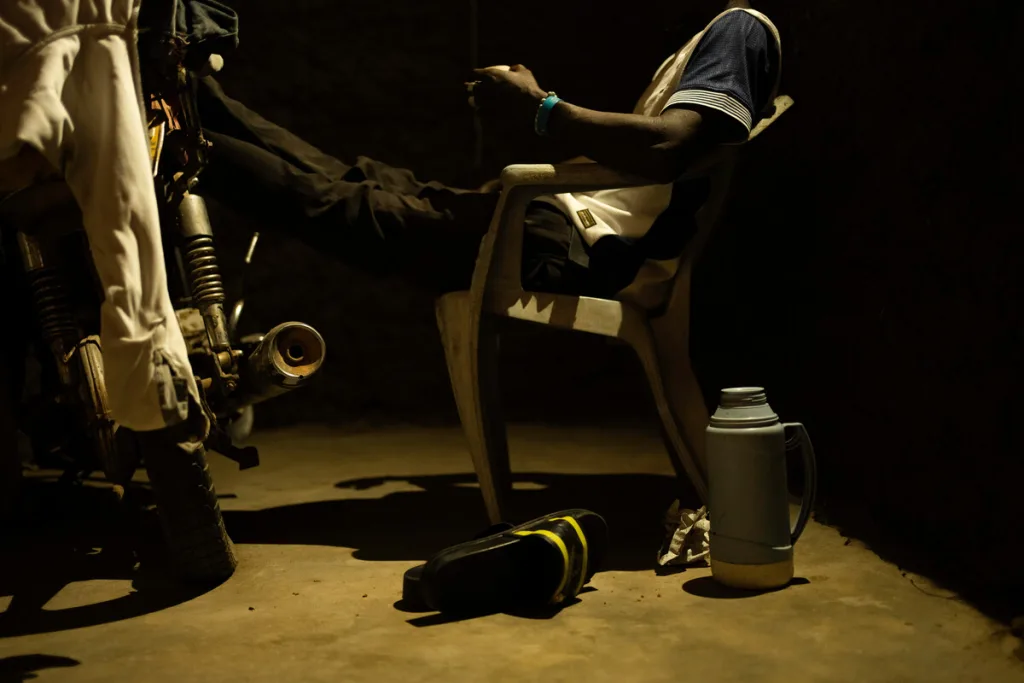
In northeast Tanzania, the East African Crude Oil Pipeline (EACOP) was marketed as a path to prosperity. Instead, it has been a story of lost land, rising poverty, and a community forced to fight back. Stretching 1,147 kilometers from Hoima, Uganda, to the port of Tanga, the pipeline is on track to become the world’s longest heated crude‑oil pipeline. Investors describe it as “development.” For families along its route, the reality has been displacement.
Families that once thrived on small farms – growing maize, cassava, oranges, and guavas – have had their fertile land taken for the pipeline. Motorbike taxi driver Ibra remembers what life was like before:
“Life before this project was beautiful. We had our own land that sustained us. For instance, we had our own farms and people would plant maize, cassava, coconut, oranges, and guavas. After the land was taken, we received compensation, but the compensation didn’t match what was lost.”
Since relocating to less‑fertile land, his family struggles to secure even one meal a day; he now queues to buy flour he once sold. Ibra says the change is humiliating:
“I feel bad now when I go by the roadside to the kiosk to go ask for cassavas, coconuts or maize … It brings me shame to say the flour is for me when I used to sell flour bags to shops.”
Deforestation to clear the pipeline route has also altered the local climate:
“It’s difficult for rain to come because there are no trees or shade left.”
For Neema, a farmer and mother from northeastern Tanzania, the pipeline destroyed both her farmland and the nearby marine ecosystem. She said:
“The project has hurt us financially and slowed our progress. We used to farm, growing plenty of lemons, oranges, and many other crops. We lived in peace until the project came, took our land, and built an oil pipeline station on it.”
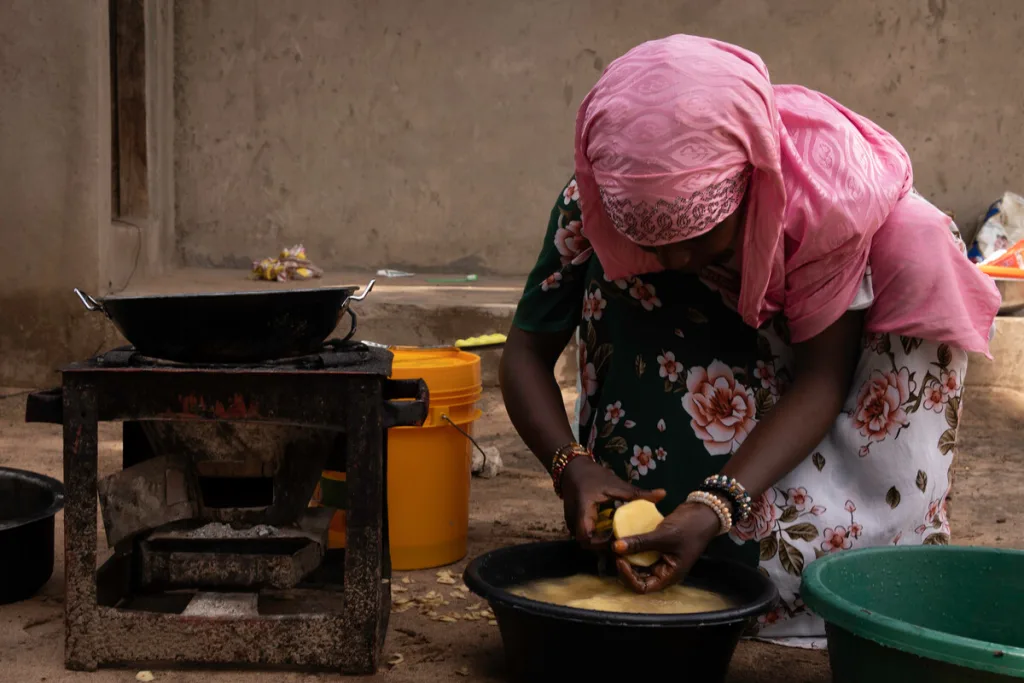
Fishing and sea‑harvesting provided a crucial income, yet the Marine Exclusion Zone around the pipeline cut off access to near‑shore waters. Neema points out that women who once collected seaweed and cowrie shells can no longer do so; the shells are gone, and seaweed beds have been destroyed. Even the fish drifted further away from the coast due to the activity. Fish can’t swim where there is disturbance, especially noise activity.
Like Ibra, she says that without the pipeline, families would still have the land and resources needed to support themselves.
Women at the frontline
Women have borne the brunt of the disruption. Saumu, a 24‑year‑old mother who became a food vendor after her farmland was seized, notes that hunger has become a daily threat:
“In the past, we would get cassavas and green vegetables easily … You could boil it with coconut and eat it with the children. Right now, we don’t have any, we buy them from another village”.
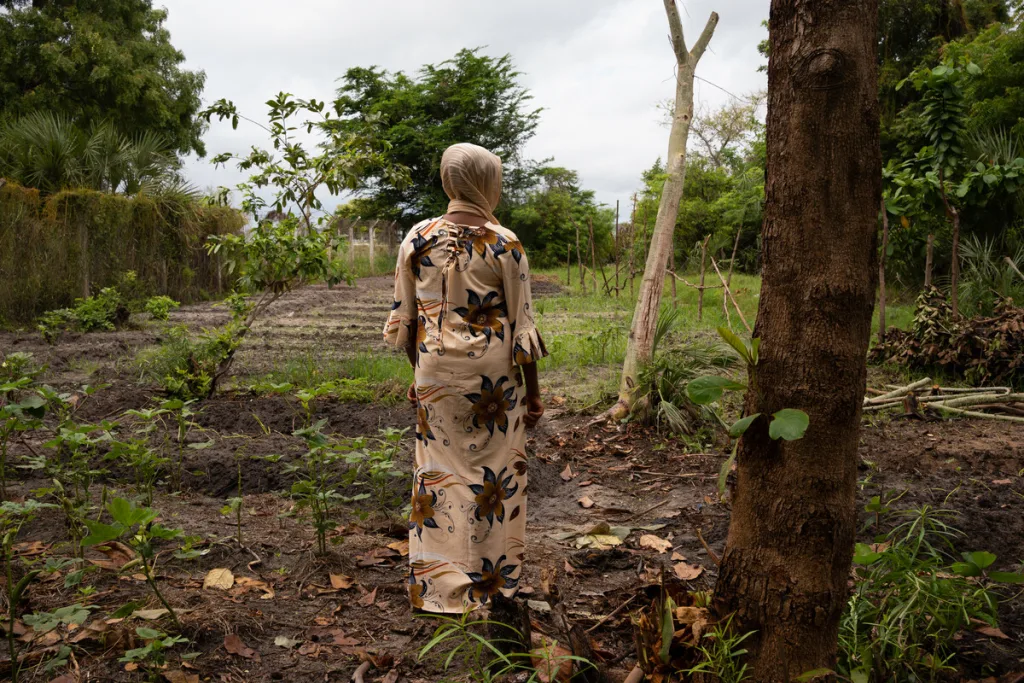
Compensation did not reflect the value of her family’s land; she says that even large plots were bought for only half what they were worth. Clearing the corridor has also stripped away tree cover and raised local temperatures. Saumu’s son now has asthma‑like symptoms because the climate has changed, it is hotter. Fishing, once a vital resource for men and women, has been curtailed by restricted areas.
The pipeline has also brought a surge in gender‑based violence. Saumu explains that before, assaults were often settled informally, with money passed to the perpetrator’s family and no justice for survivors. Since the project began, people are more fearful, especially women and children, since they are more vulnerable to violent incidents than men. With support from civil‑society groups, Saumu helped to form a grassroots committee to fight gender‑based violence. They pursued a recent assault case in court and succeeded in securing a conviction. Through activism and awareness‑raising, she and other young women are gaining confidence and standing up for their rights.
A dream of progress that became dispossession
The companies financing EACOP sell it as a gateway to “development.” Yet the project has been widely condemned for undermining human rights, fueling the climate crisis, and locking East Africa into fossil fuels at a time when the world must decarbonize. Families like Ibra’s, Neema’s, and Saumu’s have lost not just land but the ability to earn a living and care for their families.
Ibra laments that he now buys cassava in small bundles and can no longer afford three meals a day. Neema stresses that without access to farms and the sea, women’s economic independence has vanished. Saumu warns that rising heat, illness, and violence are eroding community wellbeing.
Job opportunities promised as part of the project have not materialized as one young man in Tanga said:
“We were told we would work on the pipeline, but there are no jobs, only guards keeping us away from our own land.”
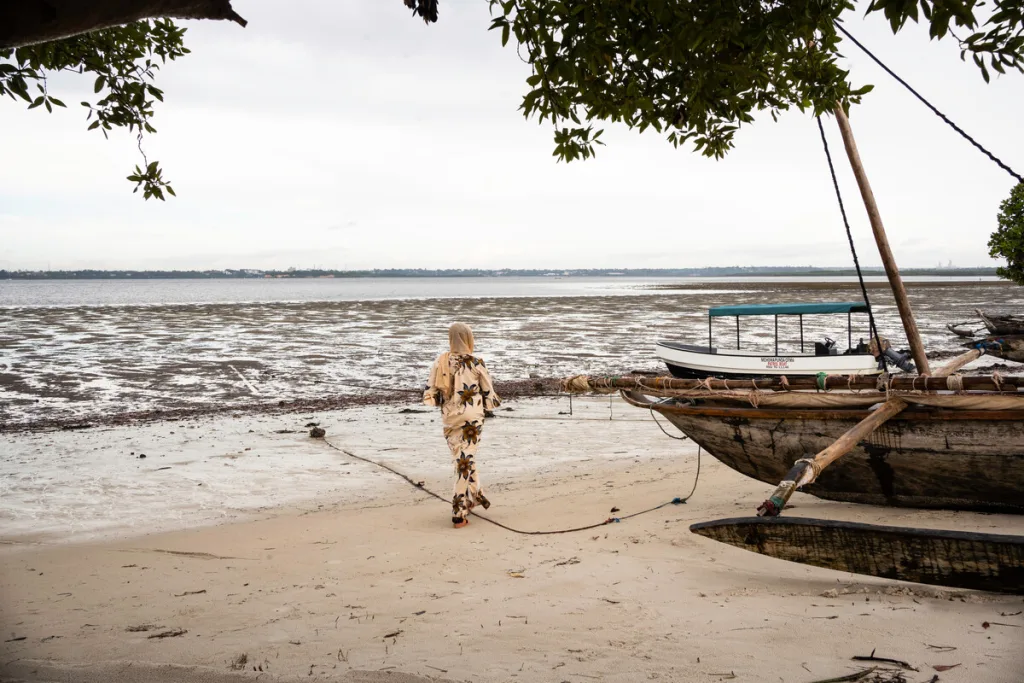
This frustration echoes across the corridor. Meanwhile, the Marine Exclusion Zone prevents fishers from using the waters their parents and grandparents fished, and deforestation to clear the pipeline route is reducing rainfall.
Local resistance and rebuilding
Amid the turmoil, communities are organizing. ActionAid Tanzania and its partner, the Tanga Youth Talent Association (TAYOTA), support families in challenging land grabs, pushing for fair compensation and demanding participation in decisions that shape their futures. In response to the pipeline, TAYOTA has created youth hubs across Tanga to provide training in agroecology, cooperative work, and campaigns against gender‑based violence. These hubs offer spaces where young people can build livelihoods beyond fossil fuels and imagine a different future. Saumu’s committee is an example of how grassroots organizing can deliver justice and change attitudes.
EACOP is pitched as progress, but the people living along its path know that real progress grows from the ground up. They understand that resilience comes not from pipelines but from fertile soil, healthy seas, and strong communities. By standing together, challenging injustice, and seeding new livelihoods, the people of Tanga are proving that the future does not flow through oil pipelines. It grows in the hands of those who refuse to give up.