


It has been almost four years since countries agreed at the UN COP27 climate negotiations to create a fund dedicated to supporting communities impacted by climate change. It has been three years since the decision was made to house the new “Fund for responding to Loss & Damage” (FRLD) within the World Bank, a deeply problematic choice made, we were told, because “it will be much easier and faster” to get the Fund up and running using the existing World Bank institutional arrangements rather than building new ones from scratch.
Even after all these years, the FRLD has still not disbursed a single cent to affected communities. Much of the problem lies in the World Bank’s institutional arrangements being extremely inflexible and ill-suited to the FRLD mandate. Even more to blame, though, is the very simple fact that the FRLD is disastrously underfunded.
Less than $1 billion has been pledged to the FRLD, and less than $500 million has actually been received. Out of an abundance of caution, the FRLD Board made only $250 million available for its initial pilot phase of programming. After the call for proposals for this pilot phase opened late last year, 176 funding requests came in, totaling $2.8 billion: over 11 times the amount of money available for disbursement.
Last week, the FRLD Board met for the ninth time in Manila, with four funding requests presented to the Board for possible approval. Despite the long delay since the establishment of the Fund, and the desperate need for financial support on the ground in many developing countries, the Board chose not to approve these four requests.
The decision was disappointing, but understandable, given the massive gap between supply and demand at the FRLD. The four requests presented to the Board would have used just over $80 million, a full one-third of the funding available under the Fund’s pilot phase. If developed countries had met their obligations to provide adequate, predictable, new, and additional climate finance and applied this obligation to the FRLD, approving $80 million of requests to get disbursements rolling would be a no-brainer. Instead, because the Fund barely has any money, it’s a highly consequential decision that could have massive process implications down the road.
The four requests presented to the Board were essentially selected on a first-come, first-served basis. In a fund with adequate resources, this would not necessarily be a problem. In a fund that can only support 20 or so of the 176 requests in the pipeline, it’s a serious problem.
This is just the clearest example of how developed countries’ failure to adequately resource the FRLD is constraining the options for the Board and limiting the ambition of a fund that was meant to be the flagship institution responding to climate impacts across the Global South. In short, the Board’s decision not to approve proposals at this meeting was an unhappy outcome, but one made necessary by rich countries’ failure to fill the fund.
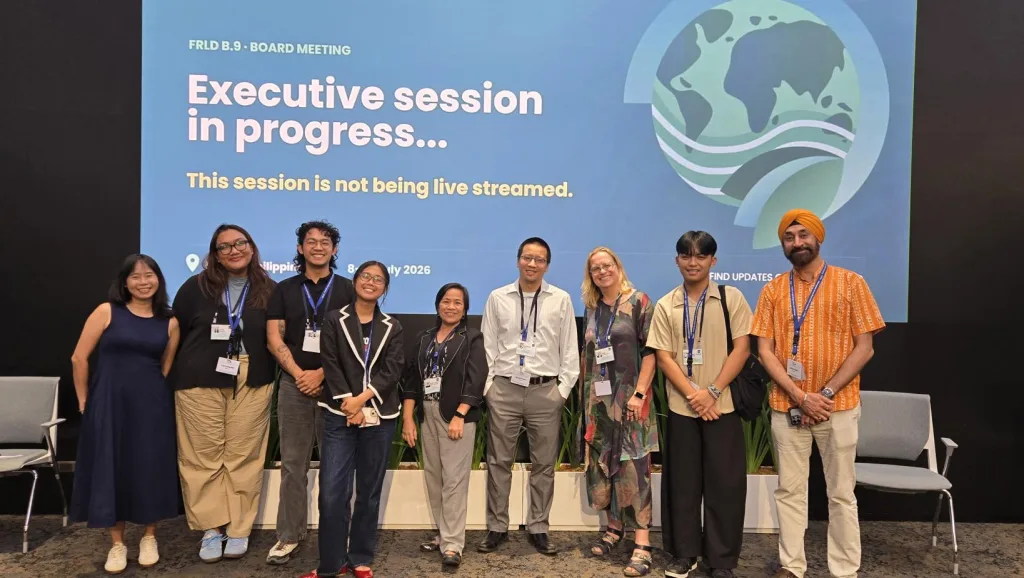
Last week’s Board meeting was troubling for other reasons as well. The funding requests were not approved, and the discussions leading up to that decision took place entirely behind closed doors. Observers were not even allowed to see the presentation detailing the proposals, let alone the Board’s discussion of them. There was a completely unacceptable lack of transparency throughout the meeting, with observers spending more time staring at screens that read “EXECUTIVE SESSION” than actually following, let alone weighing in on, the deliberations.
Similarly, all the discussions about the World Bank’s role, and its apparent refusal to comply with the conditions to which it agreed upon taking the roles of Trustee and host of the FRLD Secretariat, took place behind firmly closed doors. Observers were left with no way of knowing what underhanded games the World Bank is playing as it negotiates with the Board and, by all appearances, undermines progress for the Fund.
With rich countries providing virtually no money for the FRLD, and the World Bank locked in a struggle for control over how the Fund operates, the intended recipients of FRLD funding are left fighting over crumbs, a few million dollars at a time. At this rate, the FRLD risks reproducing the same global injustices created and perpetuated by imperialism, colonialism, and extractive capitalism. Only a massive influx of funding from the wealthy nations, paired with a recommitment to the principle that recipients should control how money is allocated and spent, can force the course correction now urgently needed.